
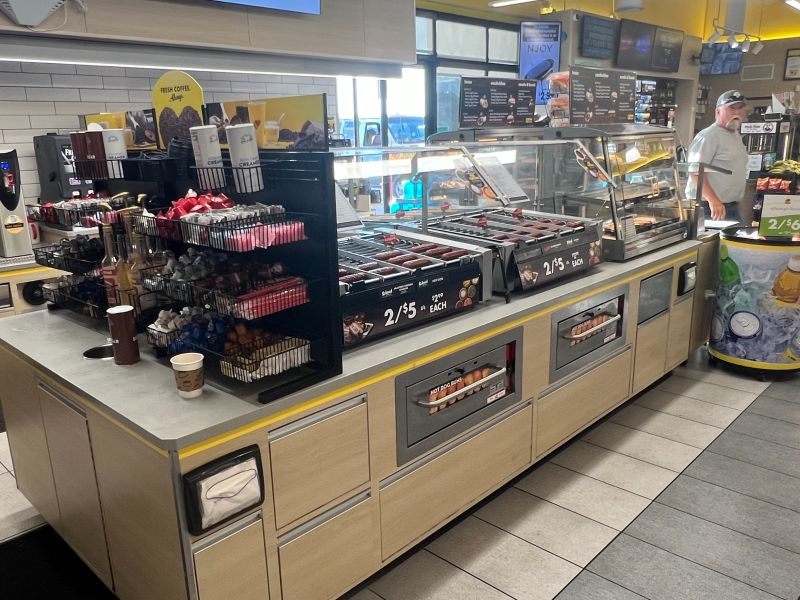
Why Some Foodservice Programs Get Noticed While Others Are Overlooked
Not every customer enters a convenience store planning to buy food. The most successful convenience store foodservice programs recognize that reality.
Some are stopping for fuel.
Some want coffee.
Others are simply looking for a quick break before getting back on the road.
Yet every day, customers leave with a hot meal they never intended to buy.
What changed?
Something made them stop.
Successful foodservice programs don’t earn attention by accident. They create environments that encourage customers to pause, explore, and purchase. From equipment placement and merchandising to cleanliness and presentation, every detail contributes to the customer experience.
At RollerGrill, we call this “What Makes Someone Stop?” It’s a simple way to think about the moments that encourage customers to notice, consider, and choose your foodservice program.
This article is part of the RollerGrill News & Blog, where we share practical foodservice ideas, merchandising strategies, and operational insights for convenience store operators.
The best operators understand those moments aren’t random.
They’re designed.
Why Convenience Store Foodservice Isn’t Always a Planned Purchase
Every customer enters a convenience store with a purpose.
Some are stopping for fuel.
Others are grabbing a cup of coffee before work.
Many simply want to get back on the road as quickly as possible.
Food isn’t always part of the plan.
But plans change.
A customer who intended to purchase only a beverage suddenly notices fresh breakfast items on the roller grill. Another customer catches the aroma of hot food while walking toward the checkout. Someone else spots a clean, well-stocked foodservice destination they hadn’t expected to find.
These moments happen every day.
Not because customers suddenly become hungry.
Because something encouraged them to stop and take a second look.
For convenience store operators, that’s an important distinction.
Successful foodservice programs don’t rely solely on planned purchases. They create opportunities for customers to discover products they may not have intended to buy when they first walked through the door.
As convenience store foodservice continues to grow, operators are placing greater emphasis on customer experience, merchandising, and food safety as key components of a successful program. The National Association of Convenience Stores (NACS) offers research and resources highlighting these evolving trends.
Understanding that difference changes how operators think about foodservice.
The goal isn’t simply to prepare great food.
It’s to create an environment where customers naturally notice it.
Attention Is Earned
Customers notice more than products.
They notice experiences.
A clean, organized foodservice area immediately communicates something about the store. Freshly stocked products, clear signage, thoughtful merchandising, and equipment that looks well maintained all contribute to a customer’s first impression.
The opposite is also true.
An empty roller grill.
Missing signage.
Disorganized displays.
Equipment that appears neglected.
Each creates hesitation, even when the food itself is perfectly good.
That’s because customers often make decisions based on what they see before they evaluate what they’re buying.
Successful operators understand that attention isn’t something they hope for.
It’s something they earn through consistency.
Every merchandising decision, every product display, and every detail of the foodservice environment works together to encourage customers to stop, take a closer look, and consider making a purchase.
Attention may only last a few seconds.
But those few seconds can change the entire shopping experience.
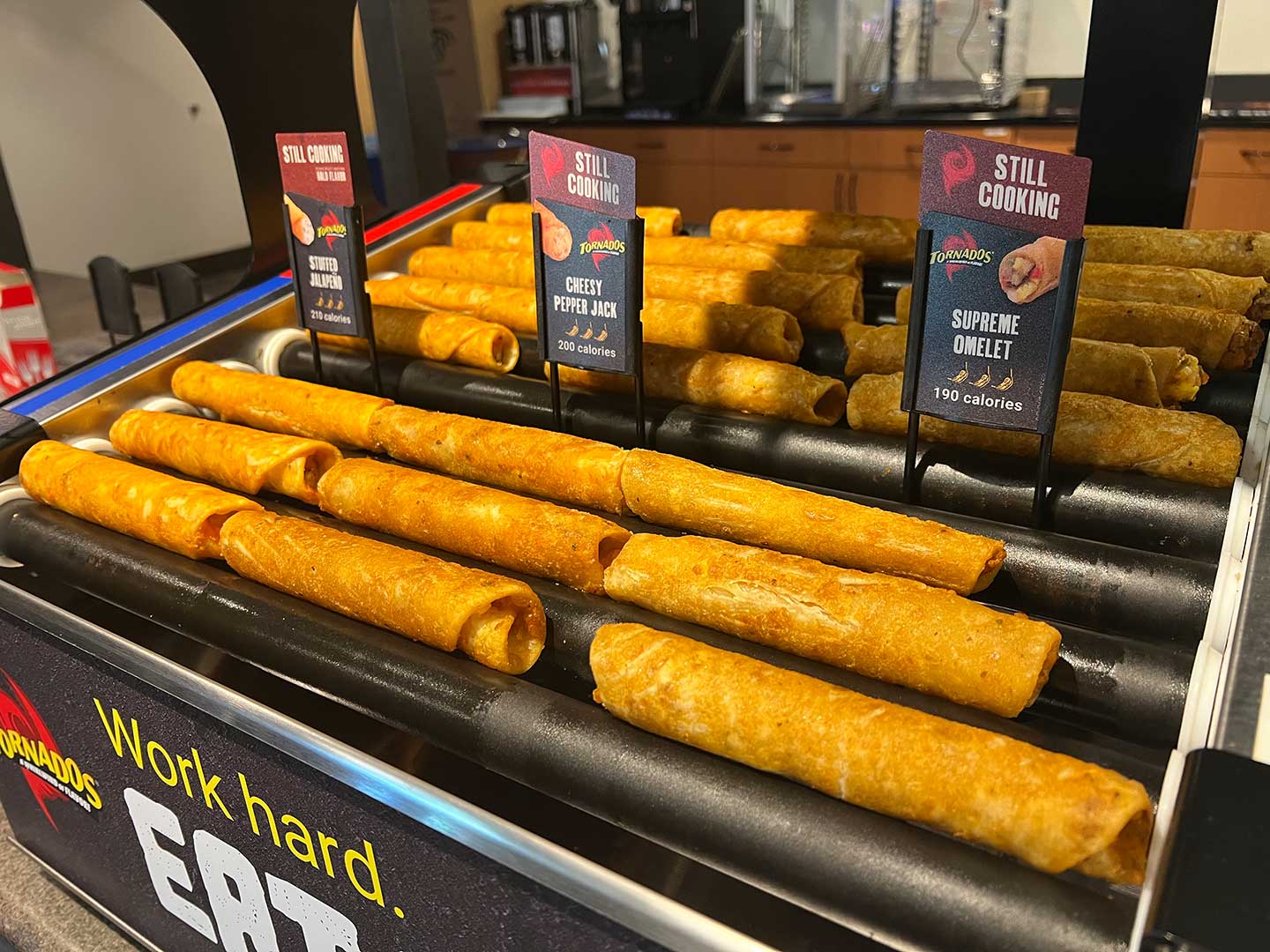
Every Detail Influences the Decision
Successful foodservice programs are built one decision at a time.
Where equipment is placed.
How products are displayed.
Whether food looks fresh and well-stocked.
How easy it is for customers to understand what’s being offered.
Even small details, such as clean sneeze guards, organized condiment stations, readable graphics, and thoughtful lighting, contribute to the overall experience.
None of these elements work alone.
Together, they create a foodservice destination that encourages customers to pause and explore.
That’s why successful operators think beyond individual pieces of equipment.
They think about how every element works together to create a complete experience.
A roller grill may become the centerpiece, but choosing the right roller grill capacities and supporting presentation helps transform equipment into a destination customers notice and trust.
The goal isn’t simply to display food.
It’s to create an environment that makes stopping feel natural.
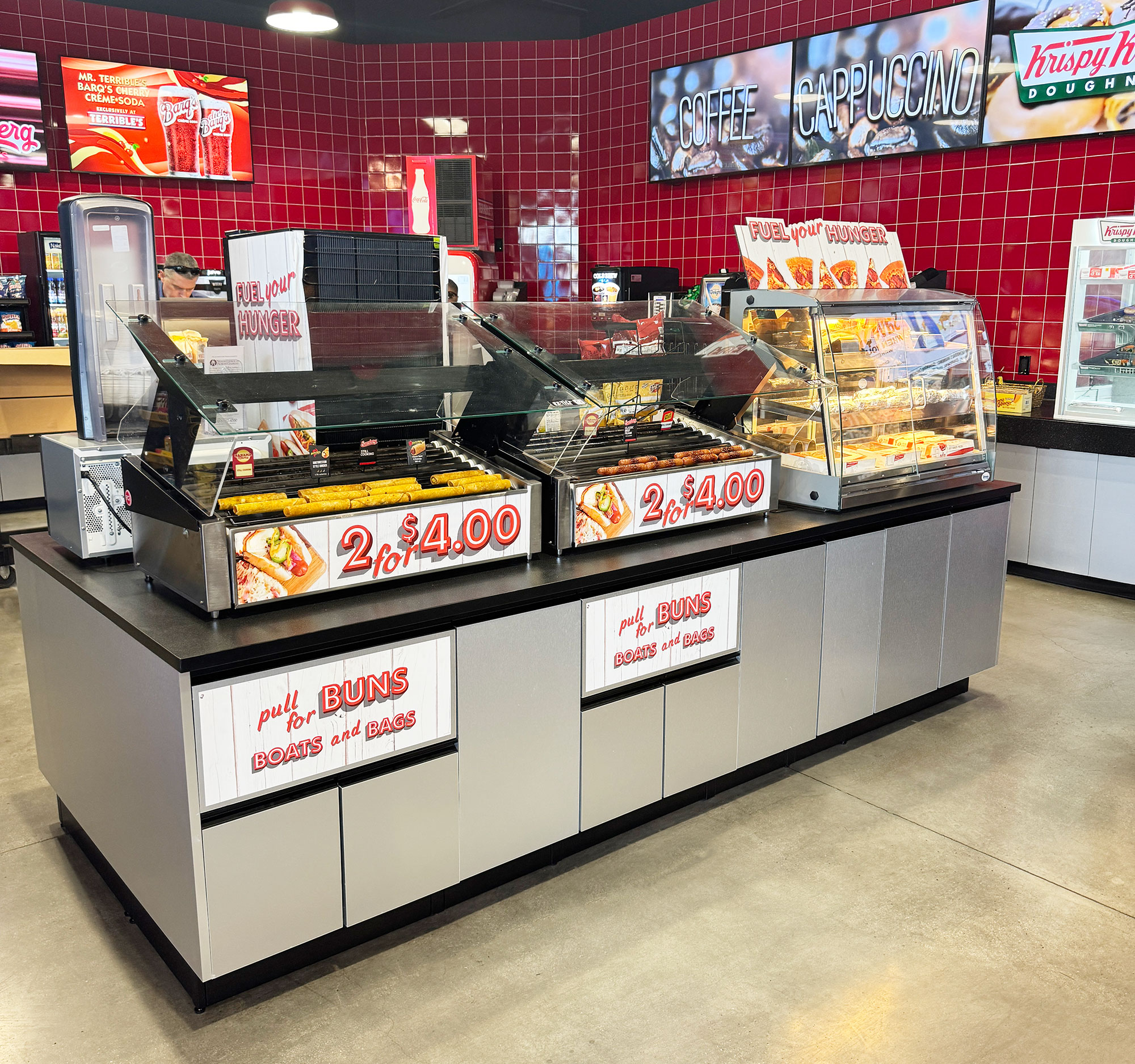
Why Foodservice Destinations Outperform Individual Displays
Customers don’t think in terms of equipment.
They think in terms of experiences.
A roller grill standing alone is simply another piece of equipment on the sales floor.
A well-designed foodservice destination tells a much bigger story.
It communicates that fresh food is available.
It helps customers quickly understand their options.
It creates confidence that the products are prepared, maintained, and ready to enjoy.
That’s why successful operators build foodservice destinations instead of displays.
A complete foodservice destination brings together equipment, merchandising, graphics, food protection, product variety, and thoughtful organization to create an experience that’s easy for customers to recognize and shop.
The result isn’t simply a better-looking foodservice area.
It’s an environment that encourages customers to stop, explore, and make purchasing decisions with confidence.
The most successful foodservice destinations don’t happen by accident.
They’re intentionally designed to reduce uncertainty and make choosing fresh, prepared food feel simple.
Customer Confidence Completes the Experience
Attracting a customer’s attention is only the beginning.
The decision to purchase depends on something more.
Confidence.
Customers want food that looks fresh.
They expect foodservice areas to appear clean, organized, and well maintained.
They want to quickly understand what they’re buying and feel confident in the quality of the experience before making a purchase.
Food protection solutions, including the EZ-Tilt Sneeze Guard™, help operators maintain a cleaner, more organized foodservice presentation throughout the day.
They’re part of the customer’s decision-making process.
Every clean surface.
Every organized display.
Every well-stocked roller grill.
Every clearly identified product helps reinforce confidence in the foodservice program.
When customers trust what they see, they’re far more likely to stop, explore, and make a purchase.
Attention may create the opportunity.
Confidence completes the experience.
Every day, customers walk into convenience stores focused on something else.
Fuel.
Coffee.
A quick stop before getting back on the road.
Yet thousands of purchasing decisions begin with a single moment.
A customer notices something.
They pause.
They take a closer look.
They decide to buy.
Successful operators understand that these moments aren’t accidental.
They’re created through thoughtful merchandising, clean presentation, organized foodservice destinations, and an experience that earns customer confidence.
The goal isn’t simply to install equipment.
It’s to create foodservice programs that customers naturally notice, understand, and trust.
At RollerGrill, we call that “What Makes Someone Stop?”
Because every successful foodservice program begins with the same opportunity.
A customer changes direction.
What happens next is up to you.
Frequently Asked Questions
Why do some convenience store foodservice programs attract more customers than others?
Successful foodservice programs combine thoughtful equipment placement, merchandising, presentation, cleanliness, and food protection to create an experience that encourages customers to stop, explore, and purchase. Customers notice environments that look organized, inviting, and easy to shop.
What makes customers stop at a foodservice display?
Customers are more likely to notice foodservice areas that appear clean, well stocked, and easy to understand. Clear signage, fresh-looking products, organized displays, and attractive merchandising all contribute to capturing customer attention.
Why is merchandising important in convenience store foodservice?
Merchandising helps customers quickly discover available food options and understand what is being offered. Effective merchandising reduces uncertainty, improves product visibility, and creates a more inviting foodservice experience.
What is a foodservice destination?
A foodservice destination is a thoughtfully designed area that combines equipment, merchandising, graphics, product presentation, and food protection to create an organized, inviting experience. Rather than focusing on a single piece of equipment, successful operators create destinations that encourage customers to stop and explore.
How can operators encourage more foodservice purchases?
Operators can improve customer engagement by maintaining clean, well-organized foodservice areas, keeping products fully stocked, using clear signage, and creating destinations that are easy to recognize and shop. Small improvements in presentation and customer confidence can have a meaningful impact on the overall foodservice experience.