
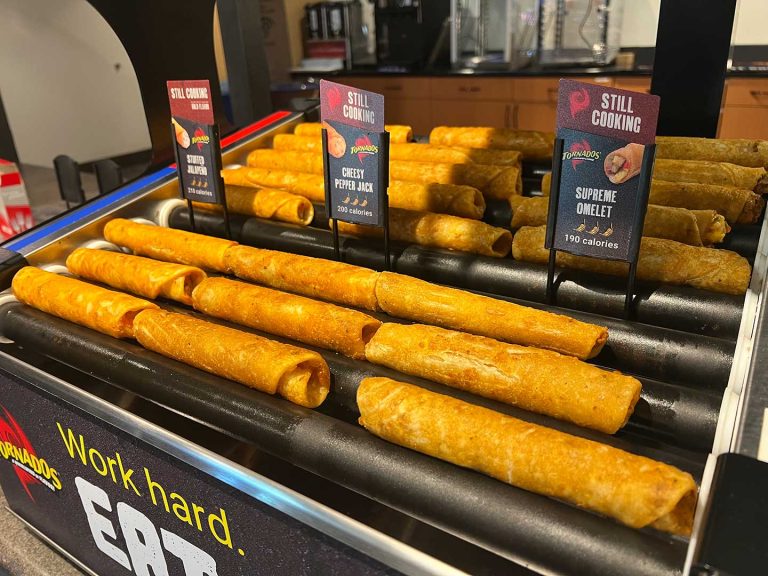
A roller grill does not have to serve the same purpose all day.
Breakfast traffic has different needs than lunch. Afternoon customers may be looking for a quick snack. Seasonal promotions and limited-time offers can create entirely different demand patterns.
A strong roller grill program is designed to adapt.
The goal is not to constantly change the operating platform. It is to build enough flexibility into the program that the product mix, merchandising and replenishment strategy can change as the day does.
Start With the Dayparts You Actually Serve
Not every location needs to compete in every daypart.
Before choosing products, consider when customers are coming into the store and what they are looking for during those visits.
A morning commuter may want something portable, familiar and easy to eat on the go. Lunch customers may expect a more substantial option. Afternoon and evening traffic may create opportunities for snacks, indulgent products or limited-time flavors.
The right mix depends on the location, customer and traffic pattern.
The important thing is to plan the roller grill around those needs rather than treating it as a single all-day menu.
Let the Product Mix Change
One of the advantages of a roller grill program is the ability to offer variety without completely changing the operating setup.
A morning assortment might include breakfast sausages or other breakfast-oriented products.
Later in the day, the mix can shift toward hot dogs, brats, sausages, rolled snacks or other proteins.
Limited-time offers can add another layer of variety without requiring an entirely new foodservice platform.
That flexibility aligns with broader convenience foodservice trends, where retailers are using new flavors and limited-time products to keep menus fresh while balancing operational realities.
That flexibility gives operators room to respond to:
- customer preferences
- seasonal flavors
- promotional opportunities
- new product introductions
- regional tastes
- changing daypart demand
The equipment stays familiar. The offer can continue to evolve.
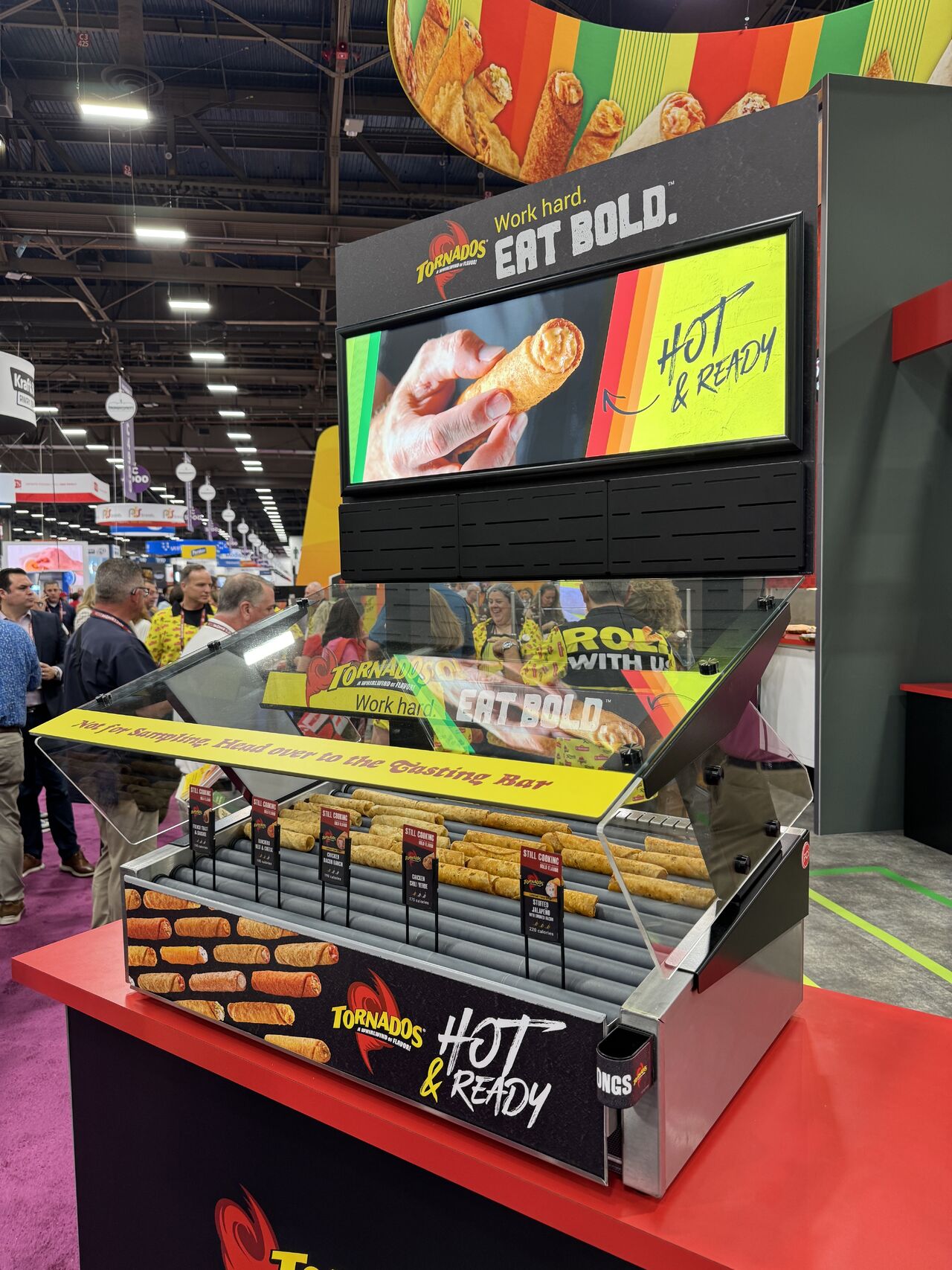
Plan Capacity for More Than One Moment
Capacity is not simply a question of how many products fit on the grill.
Operators also need to consider how quickly products sell, how often the grill needs to be replenished and what happens during peak periods.
Breakfast demand may come in a concentrated morning rush. Lunch may build differently. A promotion or limited-time offer can create an unexpected spike.
That means capacity planning should consider both how much the grill can hold and how the program needs to perform throughout the day.
A grill that looks adequately sized during a slow period may operate very differently when demand increases.
Operators can also compare roller grill capacities, roller counts and footprints when evaluating equipment needs.
For a broader look at equipment selection, capacity, throughput and program planning, see our Commercial Roller Grill Buying Guide.
Keep Replenishment in the Plan
A flexible program still needs consistent execution.
As the product mix changes through the day, staff need a clear plan for:
- when products are added
- how inventory is rotated
- how demand is monitored
- when one product mix transitions to another
- how the grill is kept visually appealing during peak periods
A roller grill that is full, organized and easy to understand creates a very different customer experience than one that looks picked over or poorly maintained.

Consistent roller grill cleaning and maintenance are also part of keeping the station customer-ready throughout the day.
Replenishment is part of merchandising.
Use Merchandising to Signal the Change
If the product mix changes but the customer cannot tell what is available, some of that flexibility is lost.
Signage and product identification should make it easy for customers to understand what is on the grill.
That becomes especially important when introducing:
- new flavors
- premium products
- breakfast items
- seasonal products
- limited-time offers
The right roller grill accessories and merchandising setup can also help organize the station and make products easier to shop.
Merchandising can also help operators change the emphasis of the program throughout the day without changing the equipment itself.
Breakfast may call for one message. Lunch may call for another. A seasonal promotion may deserve more visibility.
The station can stay familiar while the story changes.
For a broader look at visibility, assortment, merchandising, food protection and customer convenience, see our Modern Roller Grill Program.
Variety Should Not Create Unnecessary Complexity
More choices are not always better.
Adding products only works when the operation can support them.
Too much variety can create challenges with inventory, identification, replenishment, waste and staff execution.
The goal is to create enough variety to keep the program relevant while keeping the operating process manageable.
That may mean rotating products rather than offering everything at once.
It may mean using limited-time offers to test demand before making a product permanent.
It may also mean giving high-volume core products more space while using a smaller portion of the grill for new or seasonal items.
Think of the Roller Grill as a Platform
The strongest roller grill programs are not built around one product or one daypart.
They are built around a platform that can support different products, promotions and customer needs while keeping the basic operating process familiar.
That creates opportunities to serve breakfast in the morning, core favorites at lunch, snacks later in the day and limited-time products when the occasion is right.
The equipment may stay the same.
The products, merchandising and customer experience do not have to.
A well-planned roller grill program gives operators the flexibility to change with the day while keeping execution practical for the people running it.